
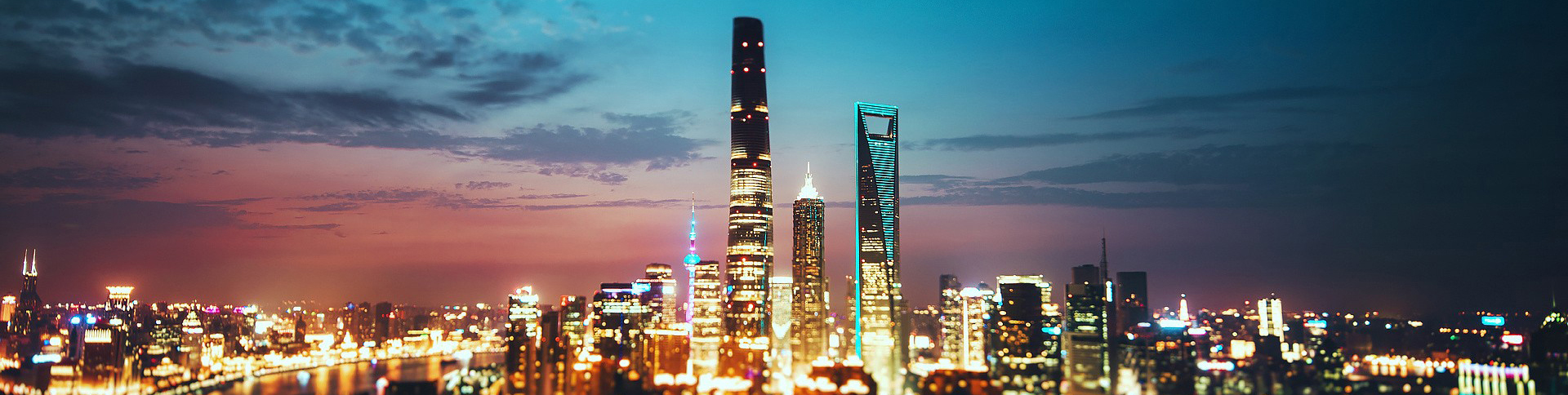

Day 1 arrival in Shanghai
Welcome to Shanghai! To ensure your arrival is stress-free, your private tour guide will meet you in the arrivals hall and transfer you to your hotel in a private car. Your luggage and hotel check-in will be taken care of.
Day 2 Shanghai
Yu Garden is an extensive Chinese garden located beside the City God Temple in the northeast of the Old City of Shanghai, China. A centerpiece is the Exquisite Jade Rock, a porous 3.3-m, 5-ton boulder. Rumours about its origin include the story that it was meant for the imperial palace in Beijing, but was salvaged after the boat sank off Shanghai.
The Shanghai Museum is a museum of ancient Chinese art, situated on the People's Square in the Huangpu District of Shanghai, China. Rebuilt at its current location in 1996, it is considered one of China's first world-class modern museums.
The Bund or Waitan is a waterfront area in central Shanghai. The area centers on a section of Zhongshan Road (East No.1 Zhongshan Road) within the former Shanghai International Settlement, which runs along the western bank of the Huangpu River in the eastern part of Huangpu District. The area along the river faces the modern skyscrapers of Lujiazui in the Pudong District. The Bund usually refers to the buildings and wharves on this section of the road, as well as some adjacent areas. It is one of the most famous tourist destinations in Shanghai. Building heights are restricted in the area.
Day 3 Shanghai-Luoyang
This morning you will board a high-speed train to Luoyang for a trip of about 6 hours.
Day 4 Luoyang
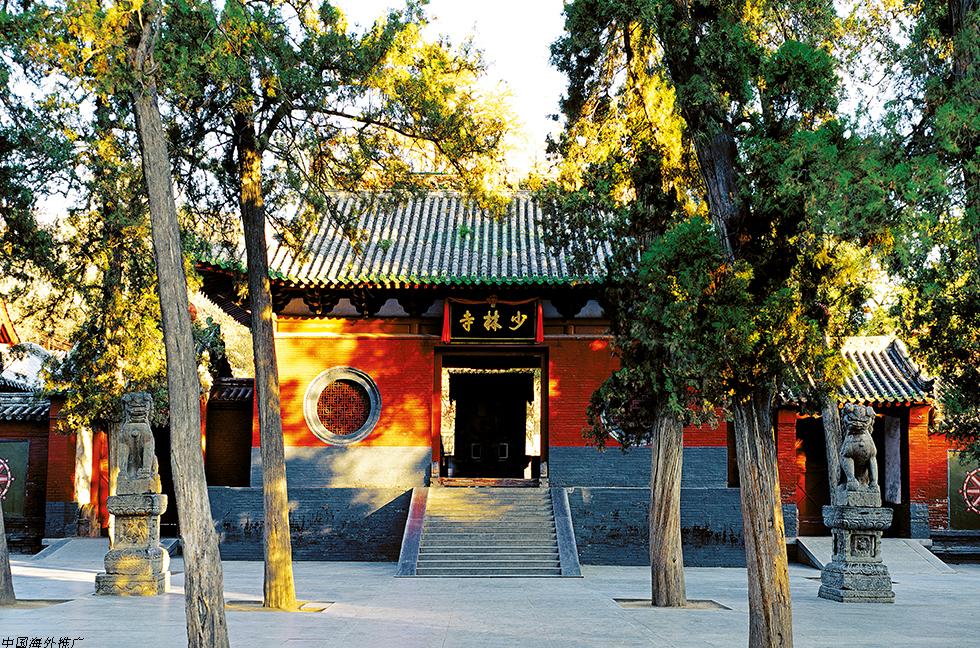
After breakfast,we proceed to the Longmen Grottoes. These grottoes were constructed starting in the Northern Wei Dynasty (368-534), and the work continued for more than 400 years until the Song Dynasty.After Lunch.We then drive for about 1.5 hours to visit the famous Shaolin Temple. The wonderful Kungfu show here is a highlight not to be missed. After that, we will transfer you back to the hotel.
Day 5 Luoyang-Xi’an
This morning you will board a high-speed train to Xian for a trip of about 2 hours. Comfortable transfers to and from the train stations are provided. Different from modern Shanghai, Xian is a famous ancient capital city of thirteen dynasties, which has much more to offer with its cultural relics and historic sites. We will first pay a visit to the Big Wild Goose Pagoda to learn something of the Buddhist culture, and then the Provincial History Museum to have a general idea of our brilliant Chinese history and achievements of ancient times.
Day 6 Xi’an
Today is a big day. You will visit one of the Eight Wonders of the world, the Terracotta Warriors and Horses Museum. We will set off earlier than usual and drive for about an hour to get to the museum. The Terracotta Warriors was an underground army built to protect the First Qin Emperor after his death. The funerary pits with a large number of life-size terracotta warriors and horses with different shapes and faces are marvelous. It is amazing to see something of high artistic value from more than 2000 years ago.
The afternoon is filled with visiting the ancient City Wall and the Great Mosque.
Day 7 Xi’an-Pingyao
Today we will proceed to the Ancient City of Pingyao via high-speed train. Unlike Xian, which has ancient buildings but also much more developed modern constructions and facilities, Pingyao is a well-preserved ancient city with complete city walls, lanes, yards and residences. After a three-and-a-half-hour train journey, you will arrive at this old town and be transferred to the hotel.
In the afternoon, we will drive out of the city to visit the Wang Family's Compound. Covering an area of 250 thousand square meters, this huge architectural complex has 231 courtyards and 2078 rooms built along a hill.
Day 8 Pingyao
After breakfast, we have a full day visit to the Pingyao Ancient Town. The main sites we will see in the town are the City Wall, Ming and Qing streets, the Temple of City God, the Ri Sheng Chang Financial House and the Tongxinggong ancient bank bodyguards. With the help of our guide's explanations, you could easily imagine the people's life here in ancient times. If you have spare time, you could walk through the main streets and narrow alleys, where there are many shops with souvenirs, restaurants and hostels on both sides, in a town full of bustling activities. We conclude the day at the Shuanglin Monastery.
Day 9 Pingyao-Beijing
This morning we will drive you to the Pingyao railway station, where you take the high-speed train for about 3 hours to our capital city of Beijing. With a history of more than 3000 years, Beijing has seven World Cultural Heritage Sites, more than any other city in the world. Upon arrival, we will pick you up at the train station and escort you to the hotel.
Day 10 Beijing
Wander through Tian'anmen Square, the largest city square in the world,First built during the Ming dynasty in 1420, Tiananmen was the entrance to the Imperial City, within which the Forbidden City was located.The Forbidden City is a palace complex in central Beijing, China. The former Chinese imperial palace from the Ming dynastyto the end of the Qing dynasty (the years 1420 to 1912), it now houses the Palace Museum. The Forbidden City served as the home of emperors and their households as well as the ceremonial and political center of Chinese government for almost 500 years.visit the Temple of Heaven, where emperors offered sacrifices to the God of Heaven in ancient time. For emperors, offering sacrifices at the Temple of Heaven was the most solemn among all ceremonies, hence making it a holy place.
Day 11 Beijing
In the morning will take you to climb the Great Wall of China at Badaling section,which is the most representative and magnificent section of the Great Wall of the Ming Dynasty. It has been open to the public the longest (since 1957). It is easily accessible and has easy walking conditions.
The siting of the Ming dynasty imperial tombs was carefully chosen according to Feng Shui (geomancy) principles. According to these, bad spirits and evil winds descending from the North must be deflected; therefore, an arc-shaped valley area at the foot of the Jundu Mountains, north of Beijing, was selected. This 40 square kilometer area—enclosed by the mountains in a pristine, quiet valley full of dark earth, tranquil water and other necessities as per Feng Shui—would become the necropolis of the Ming dynasty.
On the way back to hotel,our car will stop for a while at the Bird Nest,you may get off and take a picture for the grand design.
Day 12 Departure from Beijing
Your private guide will meet you at the hotel and transfer you to the airport based on your departure flight schedule. We hope you had a pleasant journey with us.
-Private air-conditioned car or coach
-Land transfers between airport or railway station, and hotel
-Entrance tickets as listed
-Lunch as listed
-Centrally located hotels with breakfast
-Domestic flight with taxes and train ticket as listed
-Service charge & government taxes
-Personal expenses
-China Visa
-Travel insurance