
Tel:400-822-1182
Email:mikle@ftravel.cn
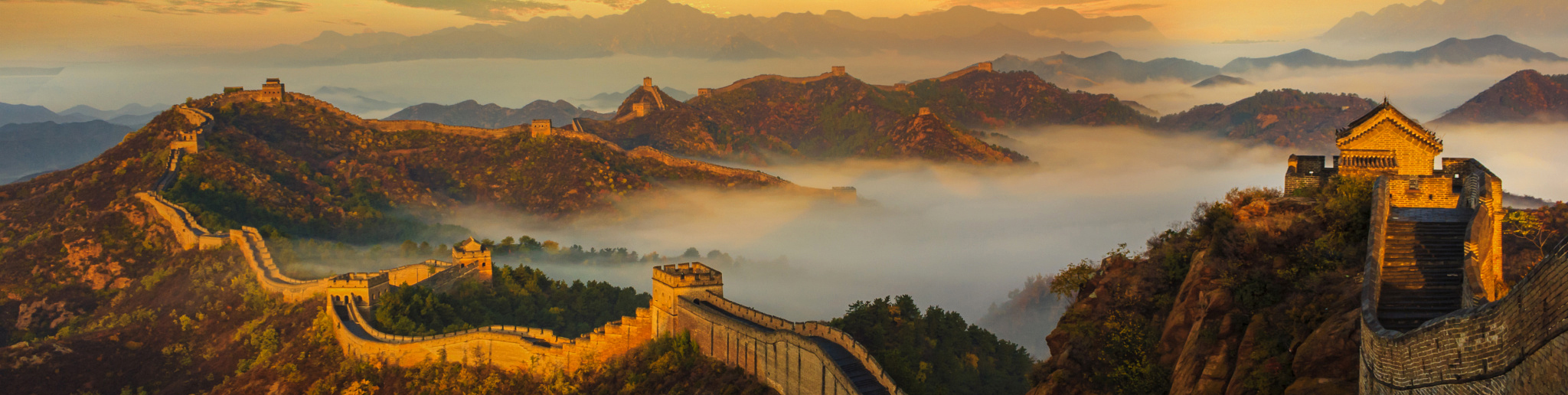
Culture
China is a large tourist country with profound culture. When visiting China, exploring Chinese culture is what you can not miss. Chinese culture page offers the most glorious essence of Chinese culture, such as Chinese cuisine,Chinese table manners, Chinese zodiac signs, Chinese tea culture, Kongfu, Beijing opera and the likes. Read the classic Chinese culture and discover the essence of China.
Beijing Opera
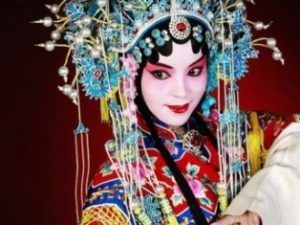
With a history of more than 200 years, Beijing opera, the essence of Chinese culture, is a perfect combination of music, vocal performance, mime, dance and acrobatics, which is highly favored by people domestic and abroad. Beijing opera is originated in Beijing around 1840 and prospered in 1930, which is prevailed among Beijng, Hebei province and Tianjin city. Now, Beijing opera has become one of the largest influential opera form in the world. Characterized by its rich characters, sophisticated performing skills and overwhelming momentum, Beijing opera has become an representative of Chinese opera.
Beijing opera is derived from four local operas, Hui opera in Anhui, Han opera in Hubei, Kun opera in Jiangsu and Qinqiang opera in Shaanxi, which drawn the merits of these local operas and created in its own style. Beijing opera is of Banqing style, which applies Gong, drum, Erhu, Huqin and Yueqin to accompany.
Speech, song, dance, and combat are the four classic performing arts in Beijing opera, which is also the basic skills for performers and is usually trained since the performers are very young. There are many roles in Beijing opera, mainly Sheng, Dan, Jing, and Chou, each of which has its own costume and mask-paintings. Masks with different colors have different meaning, which is used to portray the character of the roles and illustrate their emotional state.
No China trip is complete without watching the classic Beijing opera! Enjoy the fantastic Beijing opera and discover the essence of Chinese culture!
Chinese cuisine
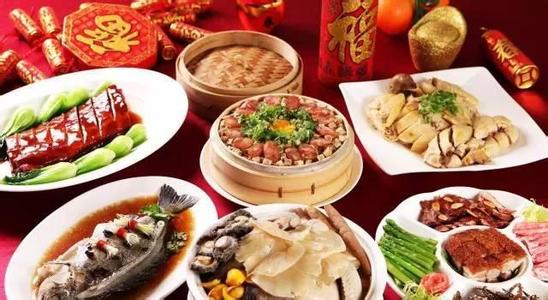
Chinese cuisine is an important part of Chinese culture, which includes cuisine originating from the diverse regions of China, as well as from Chinese people in other parts of the world. Because of the Chinese diaspora and historical power of the country, Chinese cuisine has influenced many other cuisines in Asia, with modifications made to cater to local palates. Chinese food staples such as rice, soy sauce, noodles, tea, and tofu; and utensils such as chopsticks and the wok can now be found worldwide.
The preference for seasoning and cooking techniques of Chinese provinces depend on differences in historical background and ethnic groups. Geographic features including mountains, rivers, forests and deserts also have a strong effect on the local available ingredients, considering climate of China varies from tropical in the south to subarctic in the northeast. Imperial, royal and noble preference also plays a role in the change of Chinese cuisines. Because of imperial expansion and trading, ingredients and cooking techniques from other cultures are integrated into Chinese cuisines over time.
The most praised "Four Major Cuisines" are Chuan, Lu, Yue and Huaiyang, representing West, North, South and East China cuisine correspondingly.[2] Modern "Eight Cuisines" of China are Anhui (徽菜 Huīcài), Cantonese (粵菜; Yuècài), Fujian (閩菜; Mǐncài), Hunan (湘菜; Xiāngcài), Jiangsu (蘇菜; Sūcài), Shandong (魯菜; Lǔcài), Sichuan (川菜; Chuāncài), and Zhejiang (浙菜; Zhècài) cuisines.
Color, smell and taste are the three traditional aspects used to describe Chinese food,[4] as well as the meaning, appearance and nutrition of the food. Cooking should be appraised from ingredients used, cuttings, cooking time and seasoning.